 Guankeyun
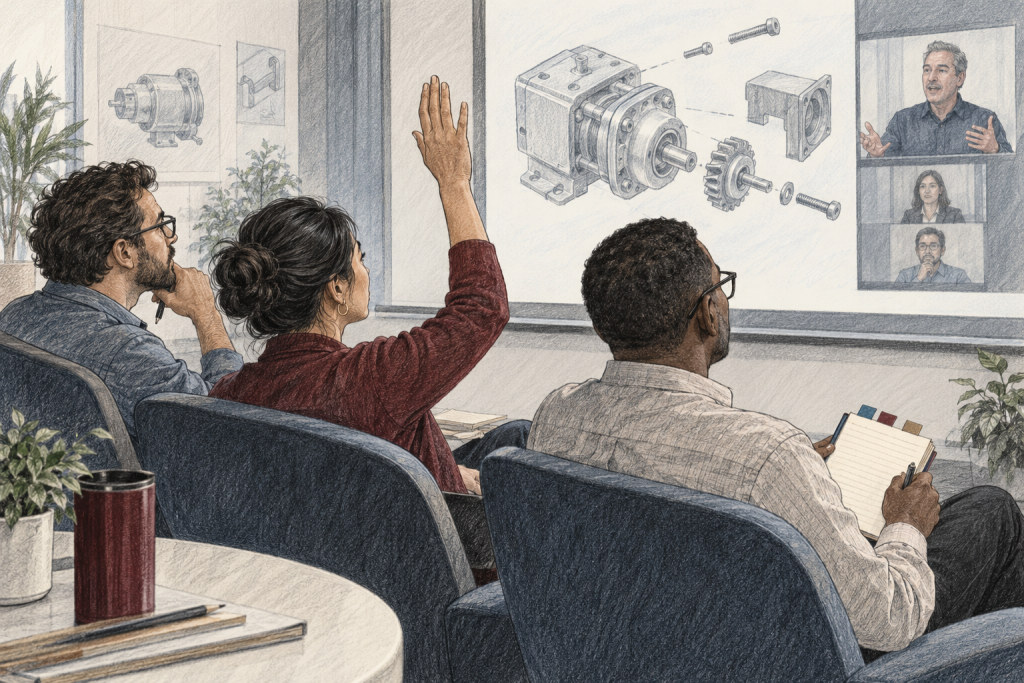
In a new-product training livestream, dealers often ask questions that are closer to day-to-day selling than the presentation slides: how to distinguish two models, which product to recommend under particular conditions, and whether wording in the materials can be used with customers. If the instructor simply finishes the product introduction, channel staff may remember the specifications without having reliable answers to customer questions.
Dealer training can be organized around how questions are collected, confirmed and turned into usable materials. This article discusses training organization, rather than an actual customer case. It does not imply that the livestreaming system includes a complete channel learning-management or ordering workflow.
Collect questions before training, including the conditions of use
When inviting dealers to submit questions, ask them to include the product model, the customer’s use case and the difficulty they have encountered. “Can this product be used?” is too broad. “This small store has only this installation arrangement; which model should we choose?” gives technical staff enough context to prepare a precise answer. Use an existing form or a manually maintained worksheet, retaining only customer information necessary for the training.
The training coordinator should combine duplicate questions and group them into product differences, usage limitations, wording in materials and business procedures. The instructor should identify which questions have a documented answer and which require input from engineering, after-sales service or channel management. Keep unresolved questions on a pending list rather than guessing to make the broadcast run smoothly.
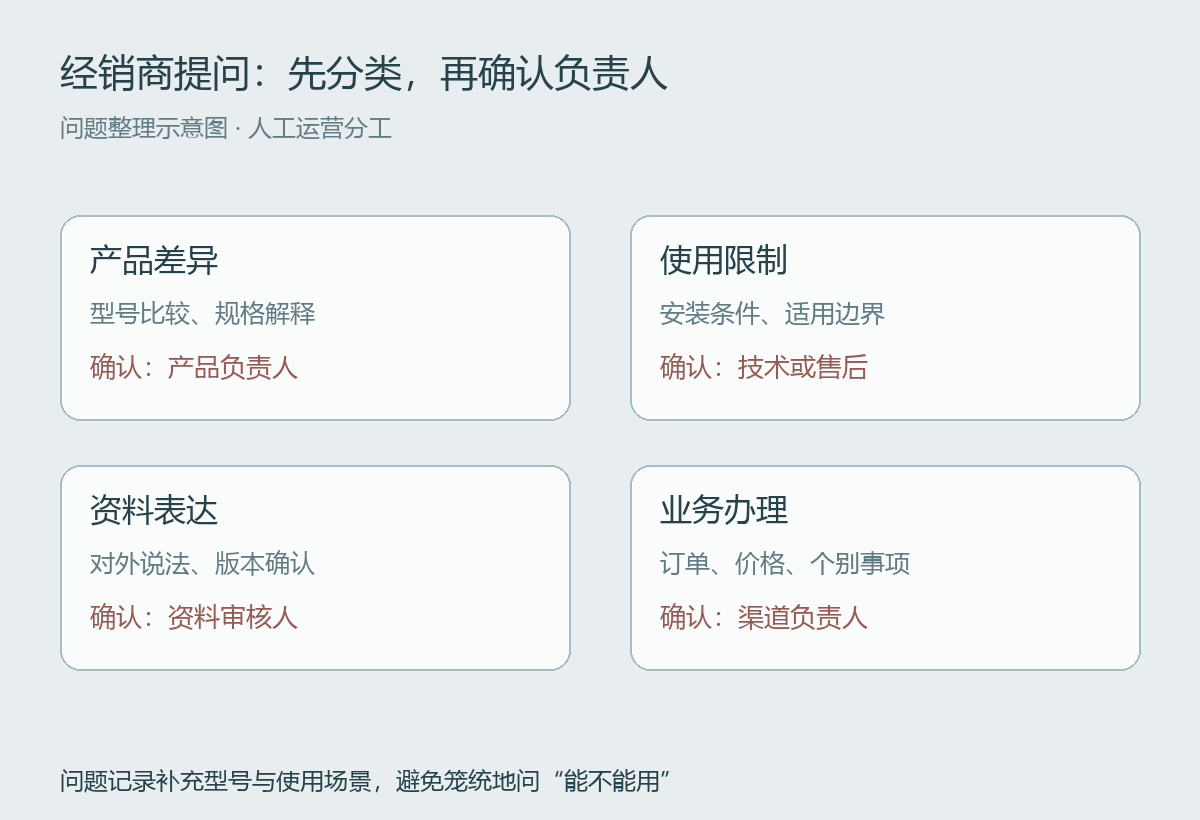
Address common questions in the presentation and handle individual transactions separately
Organize slides in the order people actually select products: explain suitable uses, compare the key differences, and then clarify unsuitable conditions. After each section, use one common question collected in advance to check understanding. For specifications, installation conditions or usage limitations, use confirmed product documentation and identify the version of the materials.
Guankeyun’s website describes live comments, private replies and co-hosting as tools for communication during broadcasts. For equipment preparation, see choosing between phone and desktop livestreaming. The public chat should not handle every business matter. A dealer’s contract pricing, credit terms, orders and customer information should be checked privately with the appropriate owner.
Confirm the question, then give an actionable next step
Assign a host or assistant to organize comments while the instructor maintains the presentation’s pace. When repeating a question, the assistant should specify the model and conditions and remove unnecessary personal information. Group similar questions together and record off-topic questions for an agreed Q&A section. This is a staffing arrangement; do not assume the system will automatically identify every useful question.
Finish each answer with a next step: which document to check, who will confirm the information and when a response will be provided. Mark uncertain answers as “pending technical confirmation.” Avoid saying “it should be fine,” which dealers might interpret as a promise they can make to customers. The instructor explains product limitations, while dealers need accurate wording they can use at work. Link both in the same record.
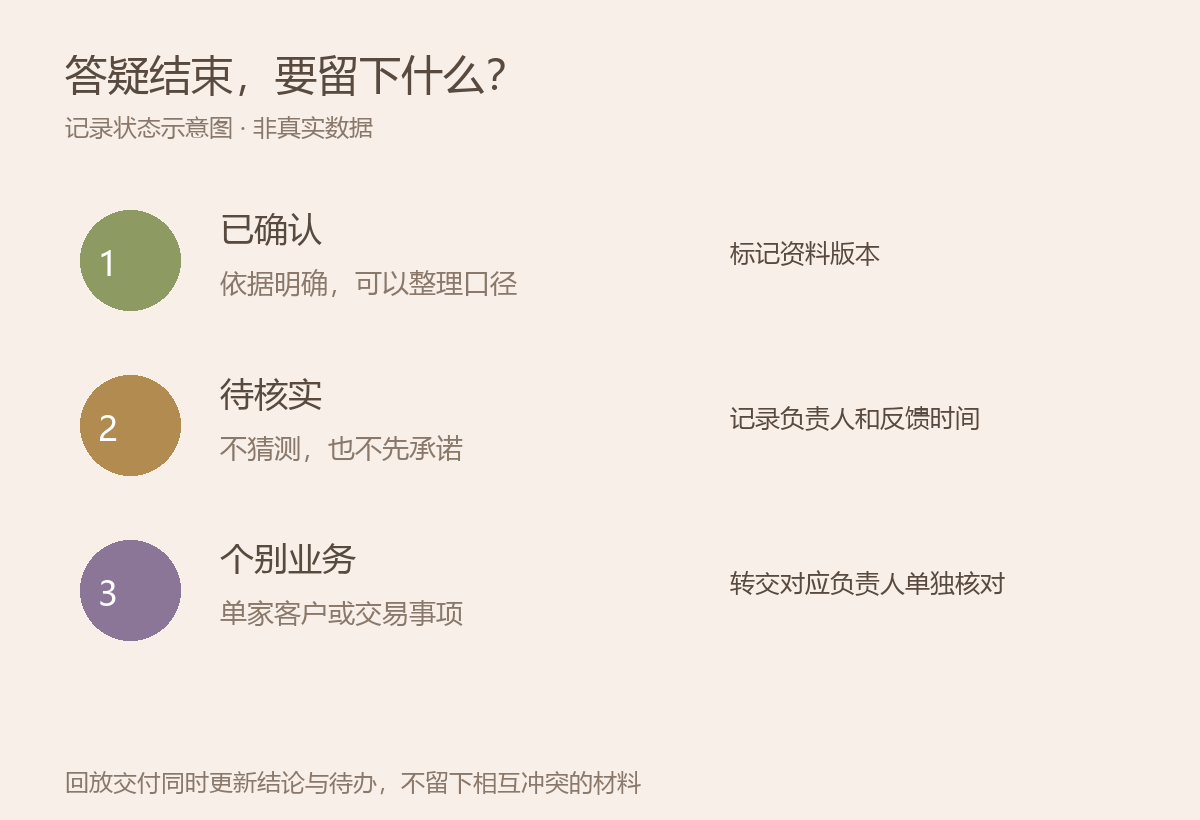
Separate confirmed answers from pending tasks when delivering the replay
After the broadcast, prepare a short index locating the product comparisons, demonstrations and Q&A sections. Add confirmed answers to the FAQ materials. Keep an owner and response deadline for items requiring verification, and update them after confirmation. If product documentation changes, identify where older materials still apply and tell dealers to use the new version. Sending one extra message while leaving conflicting documents available is not enough.
Guankeyun’s broadcast and replay overview includes cloud recording and viewing permissions. Dealer identity checks, regional course allocation, attendance reports, and integrations with learning or ordering systems should be discussed and tested individually. The availability of replays does not establish that all of these features are implemented.
Use the pending-task record to plan the next training session. Recurring product-selection questions may deserve a dedicated topic, while isolated questions can be resolved directly by their owners. This produces more than a video: it creates a verified set of channel Q&A materials that can be maintained over time.